Return to Player has captured readers worldwide with its unique twist on the apocalypse genre. This Korean manhwa follows Sehan Kim, the last survivor of a deadly game orchestrated by gods, who gets a second chance to go back in time and save humanity. The story blends time travel, fantasy elements, and survival themes in a world where everyone must fight monsters or die.
The series stands out for its complex protagonist and well-developed game mechanics. Sehan starts as a selfish survivor focused only on staying alive, but his second playthrough transforms him into a calculated leader determined to change fate itself. His knowledge of future events gives him powerful advantages, but also creates new challenges as he works to save people he previously ignored.
This exploration will cover the manhwa’s core concepts, main characters, and the creative team behind its success. Readers will discover what makes this story compelling, from its fantasy action sequences to its impact on the manhwa community and beyond.
What Is Return to Player?
Return to Player (RTP) represents the percentage of money a gambling game pays back to players over time. This concept applies to slot machines, table games, and other casino offerings where players wager money with the expectation of potential returns.
Premise and Setting
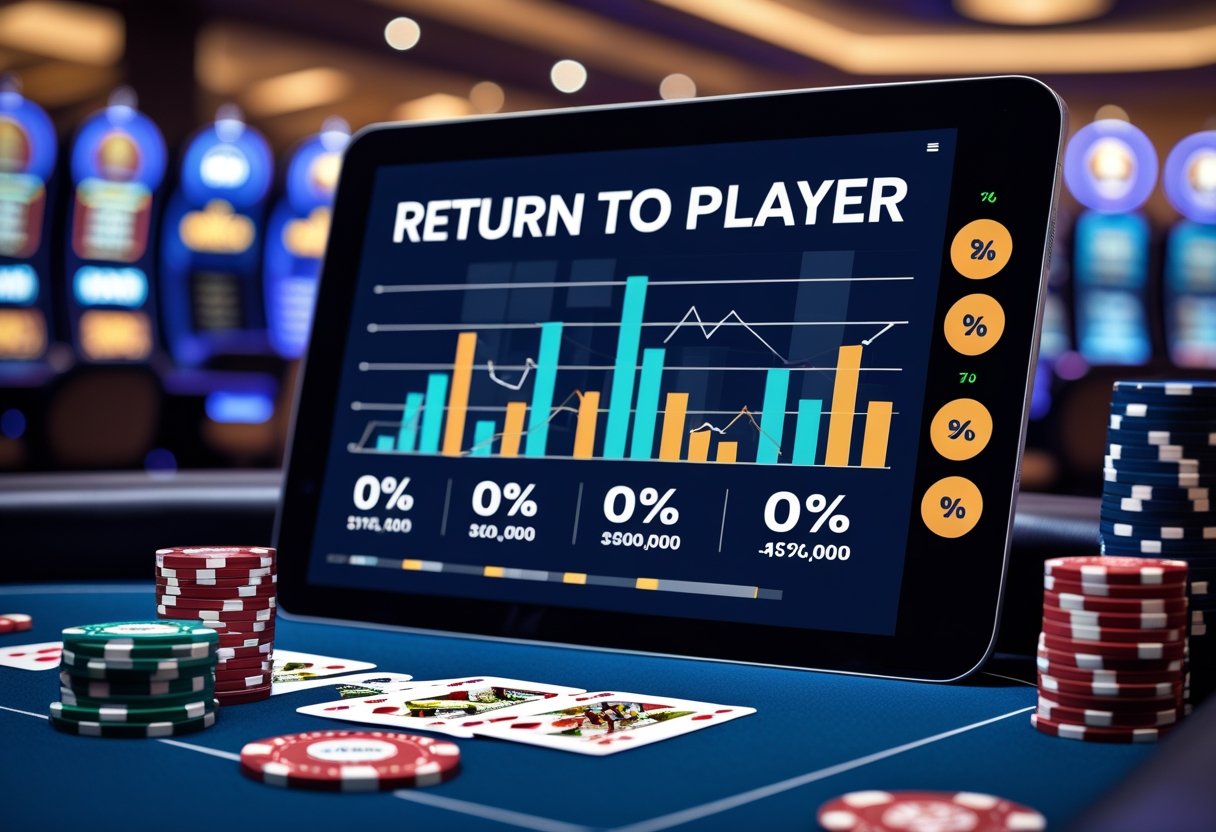
Return to Player operates as a mathematical calculation that shows how much money flows back to players from their total bets. When a slot machine displays a 96% RTP, it means players can expect to receive $96 back for every $100 wagered over millions of spins.
The casino keeps the remaining percentage as profit. This is called the house edge. A 96% RTP game has a 4% house edge.
RTP calculations come from computer simulations that run thousands or millions of game rounds. These tests create the theoretical return percentage that game makers publish.
Casinos in Australia and the UK must display RTP information to help players make informed choices. Crown Perth requires all slot machines to have at least 90% RTP.
Main Themes
RTP works over long periods of time, not individual gaming sessions. Players might win more or less than the stated percentage during short play sessions.
The longer someone plays, the closer their actual returns will match the game’s RTP. This is why casinos can guarantee profits over time while still paying out wins to individual players.
Key RTP ranges include:
- Slot machines: 85% to 98%
- Table games: 94% to 99%
- Video poker: 96% to 100%
Some software developers publish their games’ RTP percentages while others keep this information private. Players benefit from knowing RTP numbers before choosing which games to play.
Genre and Unique Appeal
RTP applies across all casino game genres, from fantasy-themed slots to action-packed table games. Fantasy slot games featuring dragons and magic kingdoms follow the same RTP principles as classic fruit machines.
Action games with fast-paced gameplay and bonus rounds use RTP calculations to balance excitement with mathematical outcomes. The theme doesn’t change how RTP works.
Different game types offer varying RTP ranges:
| Game Type | Typical RTP Range |
|---|---|
| Classic Slots | 88% – 95% |
| Video Slots | 92% – 98% |
| Blackjack | 99% – 99.5% |
| Roulette | 94% – 97% |
Higher RTP games give players better long-term value. However, short-term results can vary greatly regardless of the stated percentage.
Plot Overview
Return to Player centers on a world transformed into a deadly game by gods and follows Sehan Kim’s journey to change humanity’s fate using time travel and strategic knowledge from his previous experience.
The Deity Game and World Transformation
Ten years ago, a group of gods forced all humans on Earth to participate in a brutal survival game. The world transformed into a fantasy-like setting where people became players with game interfaces and stats.
Players must kill monsters to survive or face death themselves. The gods designed this system as entertainment, watching humans struggle and die.
The game features:
- Real-world consequences for failure
- Monster encounters that can kill players
- MMO-style interface overlaying reality
- Divine observers watching for amusement
This transformation turned Earth into a deadly playground. Normal life disappeared as survival became the only priority for humanity.
Sehan Kim’s Second Chance
Sehan Kim experienced the game’s “Bad End” as humanity’s sole survivor. He witnessed everyone else die during the first playthrough of this twisted game.
While facing his final fate alone, the game interface offered him an unexpected option. He could restart the entire experience with a second playthrough opportunity.
Kim travels back in time with full knowledge of future events. This gives him a huge advantage over other players who enter the game blind.
His advantages include:
- Knowing monster locations and weaknesses
- Understanding game mechanics
- Predicting other players’ actions
- Planning strategies to save more people
Survival and Strategy Elements
The fantasy world requires both combat skills and smart planning to survive. Kim uses his previous experience to develop new strategies that could change humanity’s outcome.
He faces various challenges and enemies while working toward his goals. The story includes action sequences and unexpected plot twists as Kim tries to outsmart the system.
Kim must balance helping others survive while protecting his own knowledge. Revealing too much about future events could create new problems or alert the gods to his advantage.
The manhwa focuses on tactical gameplay elements mixed with real survival stakes. Players need to adapt quickly or face permanent death in this transformed world.
Key Characters
Return to Player features a complex cast centered around players trapped in a deadly game world. The story follows Sehan Kim as the main protagonist, while gods and powerful antagonists drive the conflict, supported by a diverse group of fellow players.
Sehan Kim
Sehan Kim serves as the central protagonist of Return to Player. He possesses unique knowledge and abilities that set him apart from other players in the game world.
Key Traits:
- Experienced player with deep understanding of game mechanics
- Strategic thinker who plans several moves ahead
- Maintains calm under extreme pressure
Sehan’s background gives him crucial advantages. He knows secrets about the game that other players don’t understand. This knowledge helps him survive dangerous situations.
His relationships with other characters drive much of the story. He forms alliances carefully and thinks about long-term consequences. Sehan often takes leadership roles in group situations.
The character shows growth throughout the series. He learns to balance his knowledge with the unpredictable nature of other players. His decisions affect not just his survival but the fate of others.
Gods and Antagonists
The gods in Return to Player act as both game masters and antagonists. Azazel stands out as a major divine figure who influences events directly.
These divine beings create the rules that trap players. They watch the game unfold and sometimes interfere. Their motivations remain mysterious for much of the story.
Main Antagonistic Forces:
- Divine entities controlling the game
- Hostile player groups
- Environmental dangers and monsters
The gods don’t just observe passively. They have their own goals and conflicts. Some may help certain players while opposing others.
Player vs. player conflict creates additional tension. Not all participants work together. Some form hostile groups that threaten other survivors.
Supporting Cast
Jisu Han plays a significant supporting role alongside other key players like Lin Taylor. Each supporting character brings unique skills and perspectives to the group dynamic.
The supporting cast includes players with different backgrounds and abilities. Some excel in combat while others provide strategic thinking or specialized knowledge.
Notable Characters:
- Hyeongyun Yun – Fellow player with distinct abilities
- Donggwon Bak – Another survivor in the game world
- Various guild members and allies
These characters face the same deadly challenges as the protagonist. They must work together despite different personalities and goals. Trust becomes a valuable but risky resource.
The relationships between supporting characters create subplots. Some form close bonds while others maintain suspicious distance. Their interactions affect group survival chances significantly.
Creators and Development
Return to Player’s creation involved key creative partnerships between UMKY’s original work and INDEX’s development team. SEHON’s distinctive art style shaped the visual identity while the webtoon adaptation required careful translation of gaming concepts into sequential art format.
About UMKY and INDEX
UMKY created the original Return to Player web novel that serves as the source material for the webtoon adaptation. The author developed a unique gaming-focused narrative that blends RPG elements with real-world consequences.
INDEX handles the webtoon development and publication. They work directly with UMKY to adapt the novel’s complex gaming mechanics into visual storytelling format.
The collaboration between UMKY and INDEX focuses on maintaining the story’s core themes. They ensure that gaming terminology and concepts remain accessible to readers who may not be familiar with RPG mechanics.
INDEX manages the technical aspects of webtoon production. This includes panel layout, pacing decisions, and digital formatting for various reading platforms.
Art by SEHON
SEHON serves as the primary artist for Return to Player’s webtoon adaptation. The artist creates character designs that reflect the story’s gaming themes while maintaining visual appeal for mainstream audiences.
Character designs incorporate RPG-style elements like status windows and game interfaces. SEHON integrates these gaming visuals seamlessly into the artwork without overwhelming the narrative flow.
The art style balances detailed character work with clear action sequences. SEHON uses clean line work and strategic shading to ensure readability across different digital devices.
Environmental art reflects both real-world settings and fantasy game locations. The artist maintains visual consistency when characters move between normal life and game scenarios.
Webtoon Adaptation Process
The adaptation process transforms UMKY’s text-based novel into visual sequential art. This requires breaking down narrative descriptions into individual panels and scenes.
Gaming mechanics from the original novel need visual representation in the webtoon format. Status screens, inventory systems, and skill activation all require clear graphic design solutions.
Dialogue adaptation focuses on maintaining character voice while fitting speech into webtoon panel constraints. The team balances exposition with visual storytelling to avoid text-heavy pages.
Pacing adjustments account for the difference between novel chapters and webtoon episodes. The adaptation team structures content to work with weekly release schedules and mobile reading habits.
Action and Fantasy Elements
Return to Player combines intense action sequences with deep fantasy world-building through its game-like setting. The story uses supernatural abilities, divine powers, and complex magical systems to create thrilling combat scenarios.
Gameplay Mechanics in the Story
The story treats Earth as a literal game controlled by gods for entertainment. Players must complete quests, fight monsters, and survive various challenges to progress through levels.
Sehan Kim starts with a unique advantage. He retains all memories from his previous playthrough when everyone else died. This knowledge lets him make better choices and avoid past mistakes.
The game system includes:
- Player bonuses that grant special abilities
- Level progression through combat and quest completion
- Skill systems that enhance character abilities
- Equipment upgrades found throughout the world
Death is permanent for most players. Only Sehan gets a second chance through the restart bonus he received. This creates high stakes for every battle and decision.
Supernatural Powers and Items
Characters gain magical abilities as they progress through the game world. These powers range from basic combat skills to god-like abilities that can change reality.
Sehan develops multiple supernatural abilities during his journey. He learns to use various weapons and magic spells. His powers grow stronger as he defeats more enemies and completes harder quests.
Key supernatural elements include:
- Divine weapons with special properties
- Magic spells for combat and utility
- Constellation powers from mythological figures
- Demonic abilities and contracts
- Reality-altering skills
The story features items like the Airget-lamh and various magical weapons. These items often have their own personalities or special requirements for use.
World-Building and Lore
The fantasy world draws from multiple mythologies including Greek, Norse, and Korean legends. Gods from different pantheons watch and interfere with human players for their own amusement.
The world contains:
- Multiple realms including Olympos
- Dungeons with unique challenges and rewards
- Mythological creatures as enemies and allies
- Ancient artifacts with powerful abilities
Observers watch the game from higher dimensions. These beings treat human suffering as entertainment. The world shifts between modern Earth and fantasy landscapes based on game scenarios.
Different regions reflect various mythological traditions. Players encounter creatures like the Bulgasari from Korean folklore and Greek mythological figures. This mix creates a rich fantasy setting that spans multiple cultures and belief systems.
Reception and Cultural Impact
Return to Player has gained significant recognition across multiple platforms and media formats. The series has developed a dedicated international fanbase while establishing itself among prominent regression-based narratives in the gaming genre.
Popularity and Fanbase
Return to Player has attracted a substantial global readership since its initial release. The series resonates particularly well with fans of regression narratives and gaming-themed content.
Online communities have formed around the series across various platforms. Reddit discussions and Discord servers regularly feature fan theories and character analysis. The Korean fanbase remains especially active in creating fan art and translations.
International readers discovered the series through fan translations before official releases. This organic growth contributed to strong word-of-mouth promotion. The series consistently ranks high on popular web novel reading platforms.
Reader demographics span multiple age groups, with particularly strong appeal among young adults aged 18-30. The gaming elements attract both casual and hardcore gamers who appreciate the detailed game mechanics portrayed in the story.
Comparison with Similar Series
Return to Player distinguishes itself within the crowded regression genre through its unique approach to game mechanics. Unlike typical “second chance” stories, it focuses heavily on strategic gameplay rather than pure power progression.
The series shares thematic elements with Solo Leveling and The Gamer but maintains a darker tone. Where other series emphasize individual strength, Return to Player emphasizes team coordination and tactical thinking.
| Series | Focus | Tone | Game Elements |
|---|---|---|---|
| Return to Player | Strategy & Teamwork | Dark/Serious | Complex mechanics |
| Solo Leveling | Individual Power | Action-focused | RPG elements |
| The Gamer | Skill Development | Light-hearted | Game interface |
Critics note the series’ more realistic approach to trauma and psychological impact. The protagonist’s experiences feel more grounded compared to similar works that glossify difficult situations.
Manga, Webtoon, and Novel Versions
The original web novel serves as the source material for multiple adaptations. Each format brings distinct advantages to storytelling and audience engagement.
The manhwa adaptation launched to positive reception, with artwork that effectively captures the series’ darker atmosphere. Visual representation of the game interfaces adds clarity to complex mechanical explanations. Action sequences benefit significantly from the visual medium.
Translation quality varies between official and fan versions. Official English translations maintain consistency but sometimes lose cultural nuances. Fan translations often provide more detailed explanations of Korean gaming terminology.
The webtoon format allows for vertical scrolling optimization that enhances mobile reading experiences. Color artwork in digital versions creates more immersive dungeon environments compared to black-and-white print alternatives.
Reader preferences differ between formats, with novel readers appreciating deeper internal monologues while manhwa readers prefer visual action sequences. Both versions maintain the core narrative strength that defines Return to Player’s appeal.
Frequently Asked Questions
Return to Player percentages involve specific mathematical calculations and regulatory oversight. Players often wonder about the trustworthiness of these rates and how they affect actual gameplay outcomes.
How is Return to Player calculated in slot machines?
Return to Player is calculated by dividing total winnings by total bets and multiplying by 100. This formula gives the percentage that shows how much money the slot returns to players over time.
The calculation requires millions of spins to reach the theoretical RTP. Game developers use random number generators to run hundreds of thousands of test spins in short periods.
For example, a slot with 97% RTP means that for every $100 wagered, the machine theoretically returns $97 to players. The remaining $3 goes to the casino as profit.
What role does Return to Player play in gambling regulations?
Gambling regulators require casinos to display RTP percentages for transparency. Many jurisdictions set minimum RTP requirements that slot machines must meet before approval.
Licensed audit labs like BMM, iTech Labs, and eCOGRA test games to verify their stated RTP rates. These independent organizations ensure the random number generators work properly.
Regulators also monitor that casinos cannot change RTP settings without proper authorization. This prevents operators from secretly lowering payout rates after games are approved.
Can the Return to Player percentage be trusted in online casinos?
Licensed online casinos must use games with verified RTP rates from approved developers. Independent testing labs audit these games before they reach players.
The RTP cannot be changed by casino operators once set by the game developer. Only in rare cases do developers build games with variable RTP settings, which is more common in land-based casinos.
Players can verify RTP rates by searching for the game name plus “RTP” online. Legitimate casinos also display this information in game rules or help sections.
How does Return to Player impact the overall gaming experience?
Higher RTP games give players better long-term value for their money. Regular players often seek out games with RTPs above 96% to maximize their playing time.
Online slots typically offer higher RTPs than land-based machines because online casinos have lower operating costs. This difference can range from 2-5% in favor of online games.
Players should remember that RTP is a long-term average. Individual gaming sessions can vary significantly from the stated percentage.
What factors influence the variance of Return to Player in different games?
Volatility affects how often and how much players can win in slot games. High volatility slots may have fewer frequent wins but larger payouts when they do hit.
Hit frequency determines how often winning combinations appear on the reels. Bonus features, maximum possible wins, and special symbols all influence the actual RTP experience.
The number of players on the same game can affect variance at any given time. Real RTP changes during different time periods, unlike the fixed theoretical rate set by developers.
How are Return to Player rates tested and verified for fairness?
Game developers must submit their random number generators to independent testing labs for certification. These labs run extensive tests to ensure true randomness in game outcomes.
Testing involves running millions of game rounds to verify the actual RTP matches the theoretical rate. The audit process checks that each spin is independent and unpredictable.
Ongoing monitoring ensures games continue to perform within acceptable variance ranges. Any significant deviation from stated RTP rates triggers investigation by regulatory bodies.