You’ve probably noticed that winning $50 on one slot machine feels completely different than winning the same amount on another. Some wins make your heart race while others barely register. This isn’t just in your head.
The reason some slot wins feel bigger than others comes down to a mix of game design elements, payout timing, and how your brain processes rewards in different contexts. Factors like volatility, bet size, visual effects, and how long you’ve been playing all shape your emotional response to a win. A $20 payout after ten losing spins hits differently than the same $20 after three quick wins in a row.
Understanding what makes certain wins feel more exciting can help you recognize how slot machines work and why you react the way you do. Your expectations, the game’s features, and even the sounds and graphics all play a role in how rewarding each win actually feels.
Core Factors That Make Some Slot Wins Feel More Impactful
Your brain processes slot wins through a mix of psychological triggers, payout patterns, and sensory cues that work together to create different levels of excitement and satisfaction.
Psychological Responses to Winning
Your brain releases dopamine when you win at slots, creating feelings of pleasure and excitement. This chemical response happens even with small wins, but bigger payouts trigger stronger reactions.
The randomness of slot wins creates what researchers call a variable reward schedule. You never know when the next win will come, which keeps your brain engaged and anticipating the next spin. This unpredictability makes wins feel more special than predictable rewards.
Key psychological factors that affect how wins feel:
- Peak moments – Some players focus mainly on their biggest win of the session
- Overall outcomes – Others care more about total profit or loss
- Recent losses – A win after several losing spins feels better than a win that follows another win
- Expectations – Wins that exceed what you thought would happen feel more satisfying
Your emotional state before playing also matters. A win when you’re already in a good mood can feel different than the same win when you’re trying to recover losses.
The Role of Win Amounts and Payout Structures
The size of your win compared to your bet matters more than the actual dollar amount. A $50 win on a $1 bet (50x multiplier) feels bigger than a $50 win on a $10 bet (5x multiplier).
Slot games use different payout structures that shape your experience. Some games pay out small wins frequently, while others have rare but larger payouts. Frequent small wins keep you playing longer and create a sense of momentum, even if you’re slowly losing money overall.
Common payout patterns:
- High volatility – Rare big wins with many losses in between
- Low volatility – Frequent small wins with few big payouts
- Bonus features – Free spins and special rounds that amplify win amounts
The way wins are displayed also affects perception. A game might show you won $25, but if your bet was $20, your actual profit is only $5. Your brain still registers the $25 as the win amount.
Slot Machine Design and Sensory Effects
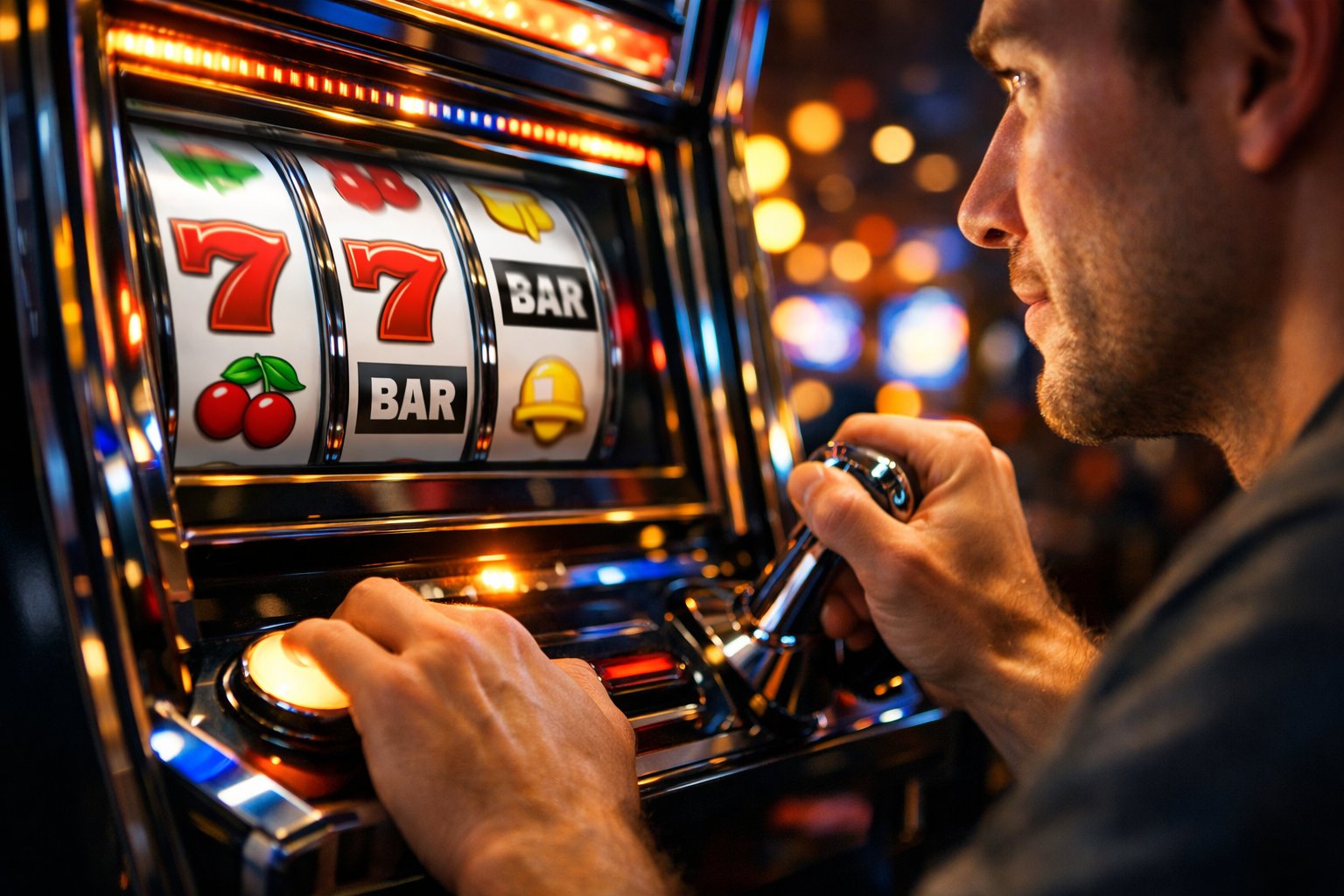
Slot machines use lights, sounds, and animations to make wins feel bigger than they are. The game celebrates even small wins with flashing graphics and upbeat music that creates a sense of achievement.
Games often play the same celebration effects for wins that are less than your original bet. These “losses disguised as wins” trigger the same positive feelings as actual wins, even though you lost money on that spin.
Visual design choices influence your perception. Symbols that nearly line up create “near misses” that feel almost like wins. Your brain processes these close calls as signs you’re about to win, keeping you engaged.
The speed of the game and the timing of sounds are carefully designed. Many slots use music at around 125 beats per minute, which creates excitement without feeling rushed. The combination of all these sensory elements works together to make certain wins feel more memorable and significant than others.
Player Expectations and Perceptions in Slot Gaming
Your brain creates patterns and expectations based on your past experiences with slot games, which directly affects how big or small each win feels. The amount you bet and the type of slot you play also shape your emotional response to wins.
Impact of Previous Wins and Losses
Your recent gaming history changes how you view each new outcome. When you hit several small wins in a row, your brain starts expecting this pattern to continue. This makes your next win feel normal rather than exciting.
A losing streak works differently on your perception. After multiple losses, even a small win can feel significant because it breaks the negative pattern. Your brain releases more satisfaction from this contrast.
Common perception shifts include:
- Small wins after losses feel larger than they are
- Wins following other wins feel less impressive
- Near-misses make you feel closer to winning than you actually are
- Losses disguised as wins (winning less than you bet) can feel positive
The availability bias affects your expectations too. When you remember your biggest jackpot clearly, you expect similar results more often than the actual odds suggest. This memory makes standard wins feel disappointing in comparison.
Influence of Bet Sizes
The amount you wager changes your emotional investment in each spin. A $50 win feels different when it comes from a $1 bet versus a $10 bet. Your brain calculates the relative gain, not just the absolute dollar amount.
Higher bets create stronger emotional reactions to both wins and losses. You experience more excitement from wins but also more disappointment from losses. This happens because you risk more money on each outcome.
Your perception of value shifts with bet size. Winning 10x your bet feels significant regardless of whether that means $10 or $100. The multiplier matters more to your brain than the actual cash amount in many cases.
Variance and Volatility in Slot Games
Slot variance determines how often you win and how much you typically receive. Low variance games pay out frequently with smaller amounts. High variance games pay out rarely but with larger sums.
Your expectations adapt to the volatility level you play. On high volatility slots, you anticipate longer dry spells between wins. This makes each win feel more valuable because you waited longer for it.
Low volatility games condition you to expect frequent wins. This changes your threshold for satisfaction. A win that would excite you on a high variance game might feel routine on a low variance one.
Volatility affects your perception through:
- Win frequency – More wins reduce the impact of each individual payout
- Win size – Larger rare wins create stronger emotional responses
- Bankroll swings – Bigger fluctuations intensify your emotional investment
Your brain adjusts its reward expectations based on the game type you choose. This adjustment happens quickly, often within just a few dozen spins.