The global casino industry is entering one of its most transformative periods in decades. Between billion-dollar integrated resorts breaking ground across three continents, long-awaited legislation finally moving off the shelf, and entire regions welcoming licensed gambling for the first time in their history, 2026 is shaping up as a landmark year for operators, investors, and players alike. From New York City’s newly approved downstate casinos to the countdown clock ticking on the United Arab Emirates’ first commercial gaming venue, the map of global gambling is being redrawn in real time.
This guide walks through the most important new casino markets opening or advancing in 2026, what makes each one strategically significant, and how the shifts are already changing player behavior, tourism flows, and competition among the world’s largest operators.
Why 2026 Is a Landmark Year for Global Casino Expansion
For most of the last two decades, the casino industry’s global growth story revolved around a handful of familiar names: Macau, Las Vegas, Singapore, and Monte Carlo. That narrative is breaking apart. Governments that once treated commercial gambling as politically untouchable are now viewing regulated casinos as tools for tourism recovery, tax generation, and foreign direct investment. At the same time, the online gambling sector continues to legalize across Latin America and parts of Europe, creating a parallel wave of licensing activity.
Analysts tracking the sector expect global online gambling revenue alone to cross the one hundred billion dollar mark in 2026, while integrated resort projects under construction now represent well over forty billion dollars in combined capital expenditure. For a deeper look at operator movements, licensing developments, and daily market shifts, industry professionals often follow specialist trade outlets like CasinoNews alongside their own regional sources.
What’s driving this? Three forces are converging at once. Post-pandemic tourism strategies are pushing governments toward high-yield visitor spending. Illegal offshore gambling has grown so large that regulators see licensing as the only way to reclaim tax revenue. And the rise of integrated resorts, which package casinos with hotels, convention space, retail, and entertainment, has changed how policymakers frame gambling politically. It’s no longer sold as “opening a casino.” It’s sold as “attracting a resort.”
North America: New York City Officially Enters the Casino Era
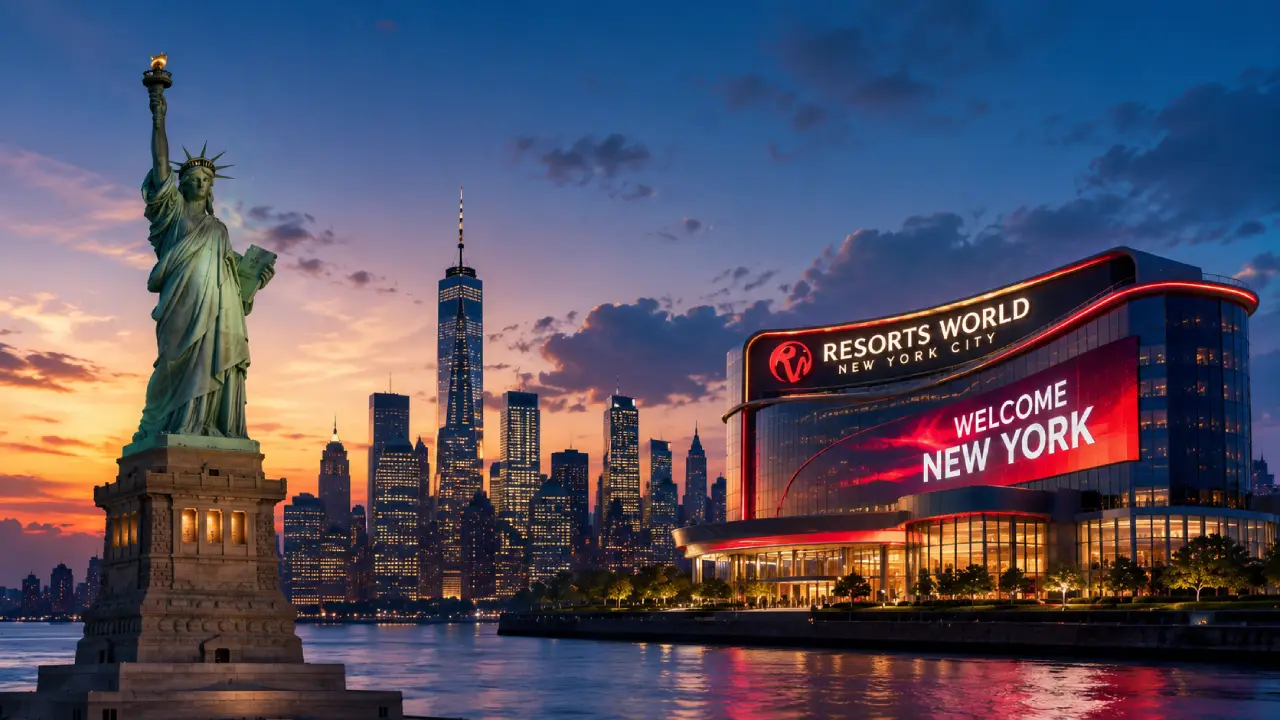
After a licensing process that stretched from 2013 to the end of 2025, New York has finally awarded its three coveted downstate casino licenses. The New York State Gaming Commission green-lit Resorts World New York City at Aqueduct in Queens, Hard Rock’s Metropolitan Park project at Willets Point in Queens (backed by Mets owner Steve Cohen), and Bally’s Corporation in the Bronx at Throggs Neck. Each license carried a five hundred million dollar fee, one of the highest upfront commitments ever demanded for a US commercial gaming license.
The most immediate impact hits in 2026. Resorts World, already operating a video-lottery-terminal facility at Aqueduct, is fast-tracking the first phase of its expanded full-scale casino. The operator originally targeted a summer opening but pulled the date forward, aiming to be the first of the three to accept live table game bets in the New York City metropolitan area. Bally’s Bronx and Metropolitan Park are longer builds and are not expected to open until closer to 2030.
For the wider US market, the significance goes beyond New York. The city represents the largest untapped urban casino market in the country, and the arrival of full-scale gaming inside the five boroughs reshapes competitive dynamics across the entire Northeast corridor. Casinos in New Jersey, Connecticut, and Pennsylvania that have long drawn New York day-trippers will need to reposition. Meanwhile, the licensing outcome may also unlock renewed conversation around legalizing online casino gaming in New York, which lawmakers had largely tabled while the downstate licenses were pending.
The Middle East: UAE Counts Down to Its First Legal Casino
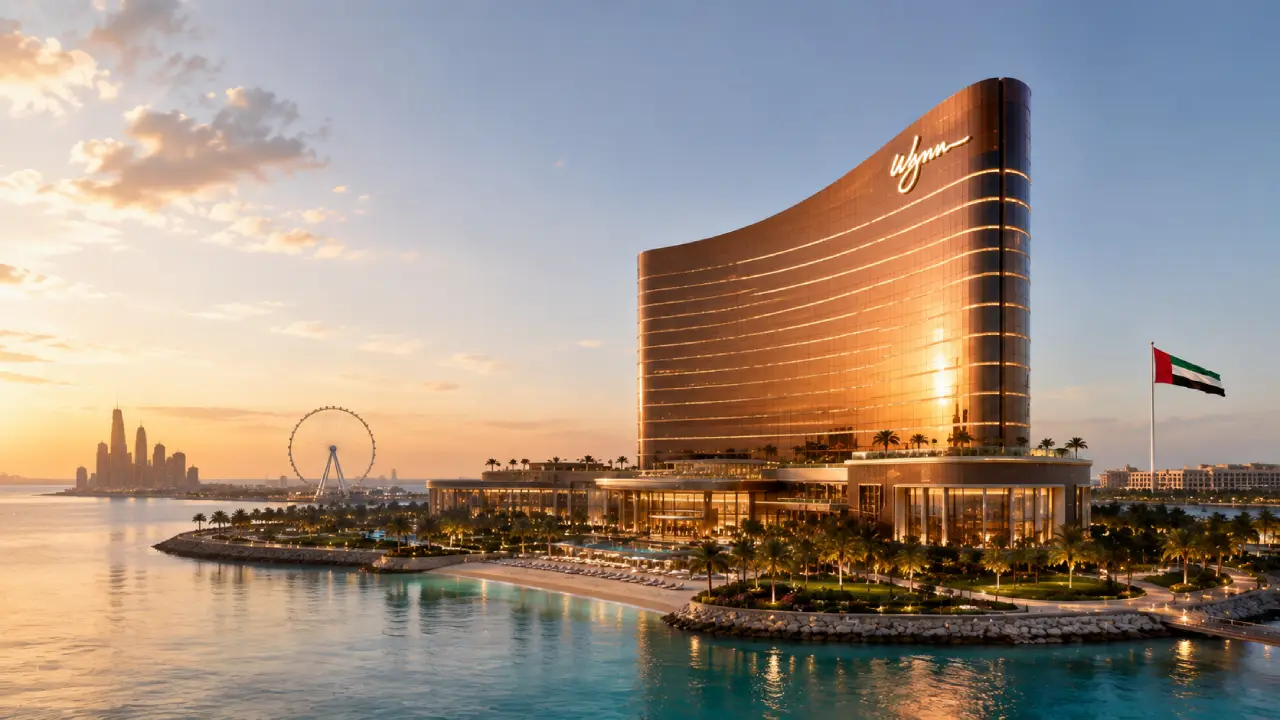
The Middle East has never had a licensed commercial casino. That changes in September 2027, but 2026 is the year the project becomes real to the wider world. Wynn Resorts is building Wynn Al Marjan Island in the emirate of Ras Al Khaimah, a beachfront integrated resort that received the first commercial gaming operator’s license ever issued in the United Arab Emirates back in October 2024.
Throughout 2026, the property is completing its interior fit-out, ramping up hiring, and finalizing operational readiness. The company has confirmed plans to onboard more than 2,750 employees during 2026 alone, part of a total staffing base that will eventually exceed 4,000 roles. A dedicated colleague community of fifteen residential buildings, capable of housing roughly 7,000 workers, is opening near the resort site during the summer of 2026.
The financials underscore how much is at stake. The construction budget has risen to approximately 5.7 billion dollars after supply chain disruptions tied to regional conflict, and Wynn expects the property to generate a minimum of 1.33 billion dollars in gross gaming revenue annually once open. CEO Craig Billings has previously suggested the broader UAE gaming market could reach as much as 5 billion dollars in size over the long term. The knock-on effects for tourism, aviation, and hospitality across the Gulf region are difficult to overstate.
Southeast Asia: Vietnam Cracks Open the Door to Local Players
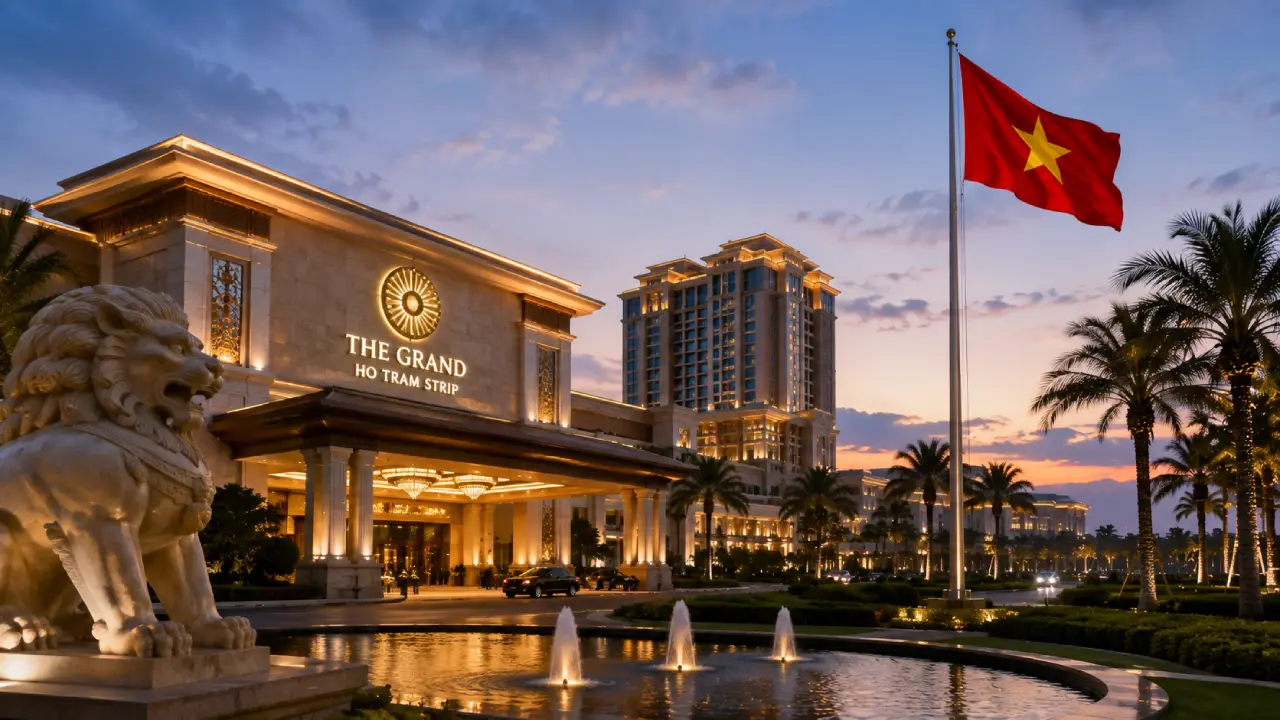
Vietnam has quietly delivered one of the most consequential regulatory shifts in Asian gambling for 2026. On November 26, 2025, the government approved a five-year pilot program allowing Vietnamese citizens to gamble at The Grand Ho Tram Strip resort in Ba Ria-Vung Tau province, roughly two hours by car from Ho Chi Minh City. The resort’s main gaming floor officially opened to locals in early January 2026.
This is only the second Vietnamese casino ever permitted to admit local players. The first, Corona Resort & Casino on Phu Quoc island, has now been granted permanent locals-play status after its own pilot program was deemed successful. A third property in Van Don has been approved in principle under a similar pilot framework, though that resort is not expected to open until 2032.
The conditions for local play remain strict. Vietnamese players must be at least 21 years old, demonstrate a monthly income of at least 10 million Vietnamese dong (about 380 US dollars), gamble exclusively in the local currency, and reconvert any remaining chips at the end of a session. Even with these guardrails, the commercial impact has been immediate. Government data from the earlier Corona pilot showed that while local players made up around 52 percent of total casino visitors, they generated roughly 88 percent of gaming revenue.
Thailand’s Entertainment Complex Bill Returns in 2026
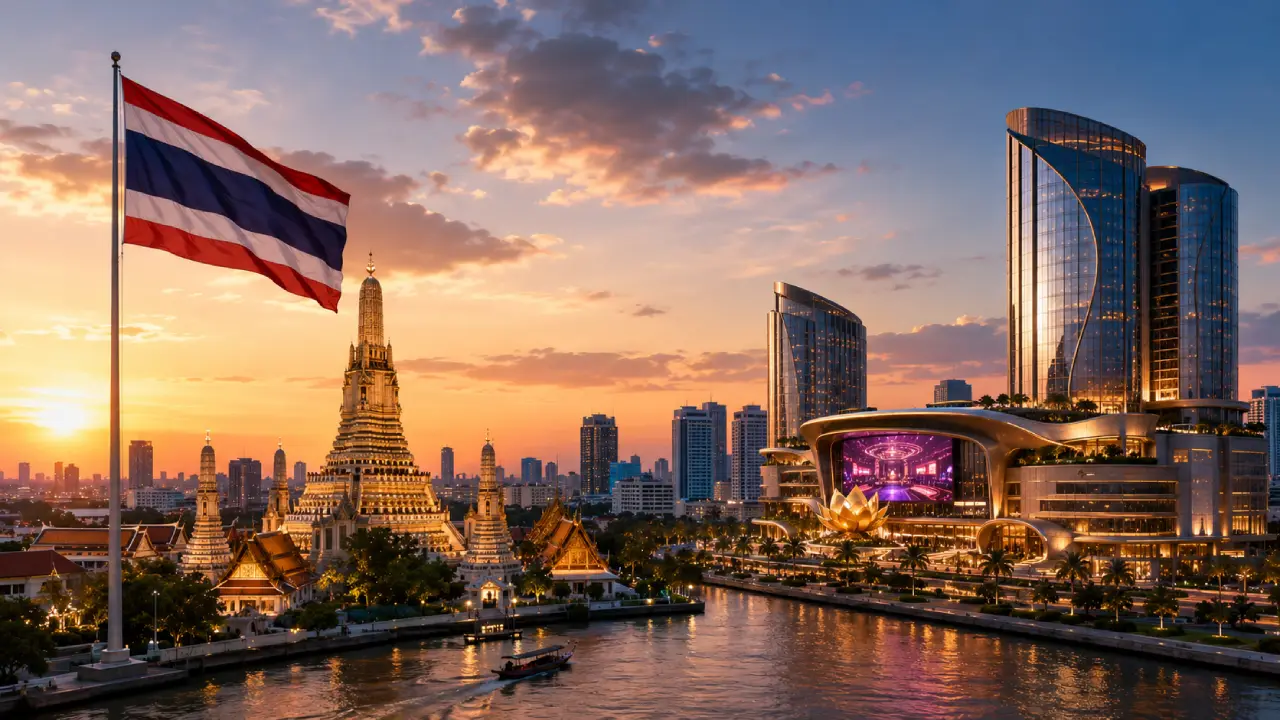
Few casino stories in Asia have been as politically volatile as Thailand’s on-again, off-again Entertainment Complex Bill. Originally approved in principle by the cabinet in January 2025, passed by the full cabinet in March, shelved in July after mass protests and a coalition government collapse, rejected by a Senate committee in September, and formally suspended when parliament was dissolved in December, the bill effectively spent all of 2025 in political limbo.
In 2026, it is back on the table. A coalition framework agreement reached in May reopened the legislative pathway, and negotiations have narrowed the proposal to allow up to three entertainment complexes with licensed casino floors, down from the original five. The revised bill includes a minimum investment threshold of 100 billion baht per project, license terms of up to thirty years, and a 5,000 baht entrance fee for Thai nationals with additional financial-suitability requirements.
International operators are watching closely. MGM Resorts, Galaxy Entertainment, Melco Resorts, and Hard Rock have all publicly expressed interest in the market at various points, and both Galaxy and Melco had opened Bangkok offices before the legislation was suspended. If Thailand ultimately passes and implements the framework, analysts estimate the country could become the world’s third-largest gaming market after Macau and Las Vegas, with annual gross gaming revenue potentially exceeding nine billion dollars.
Japan: The Long Road to MGM Osaka Continues
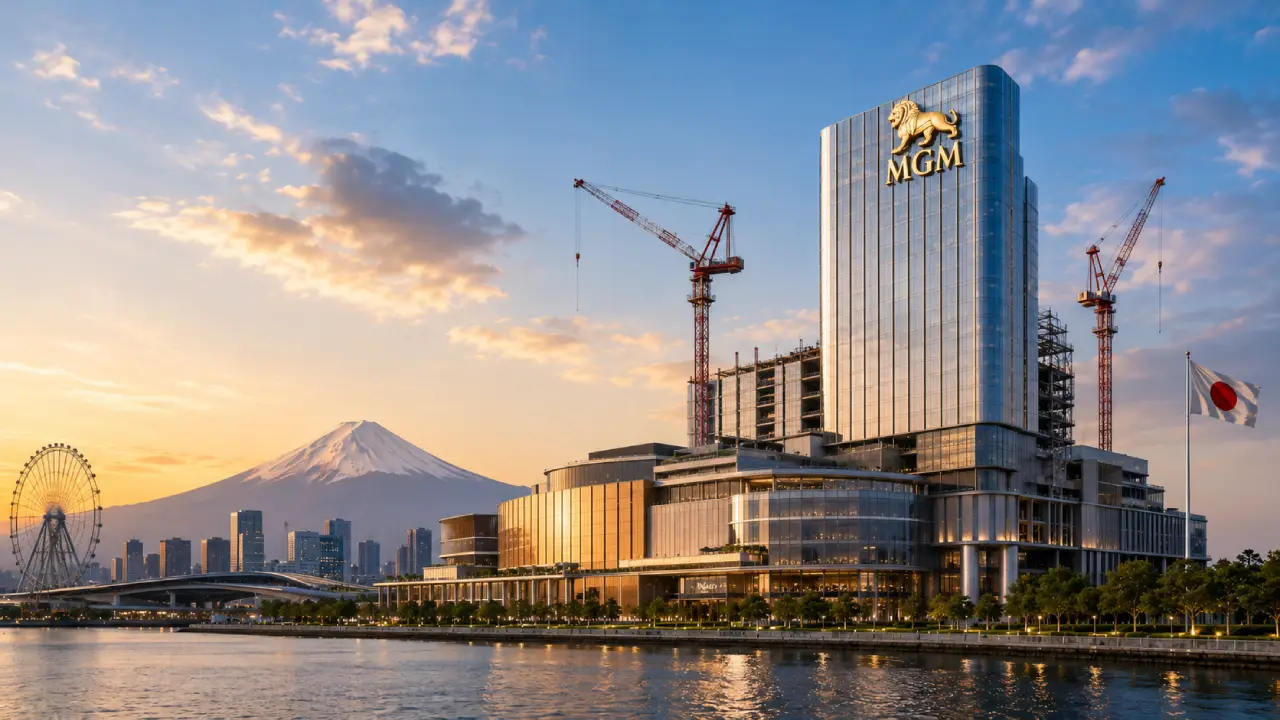
Japan’s first integrated resort remains a 2030 story, not a 2026 opening. But construction on MGM Osaka is a central narrative for the industry throughout 2026, and progress is being tracked closely by investors and operators worldwide.
MGM Resorts and Orix Corporation broke ground on the roughly 8.8 billion dollar Yumeshima Island project in April 2025. As of mid-2026, the underground works are more than sixty percent complete, and above-ground structural steel and concrete placement are progressing on schedule. MGM has committed to deploying around 1 billion dollars in additional capital between 2027 and 2028 to complete its equity contribution.
When it eventually opens, MGM Osaka will feature approximately 2,500 hotel rooms across three brands, 730,000 square feet of convention space, a 3,500-seat theater, and a casino floor spanning roughly 23,000 square meters with about 470 gaming tables and 6,400 electronic gaming machines. The property is expected to generate approximately 5.9 billion dollars in annual gross gaming revenue once fully operational, positioning Japan as one of the top three casino markets globally.
The Philippines: Clark Rises as a Second Manila
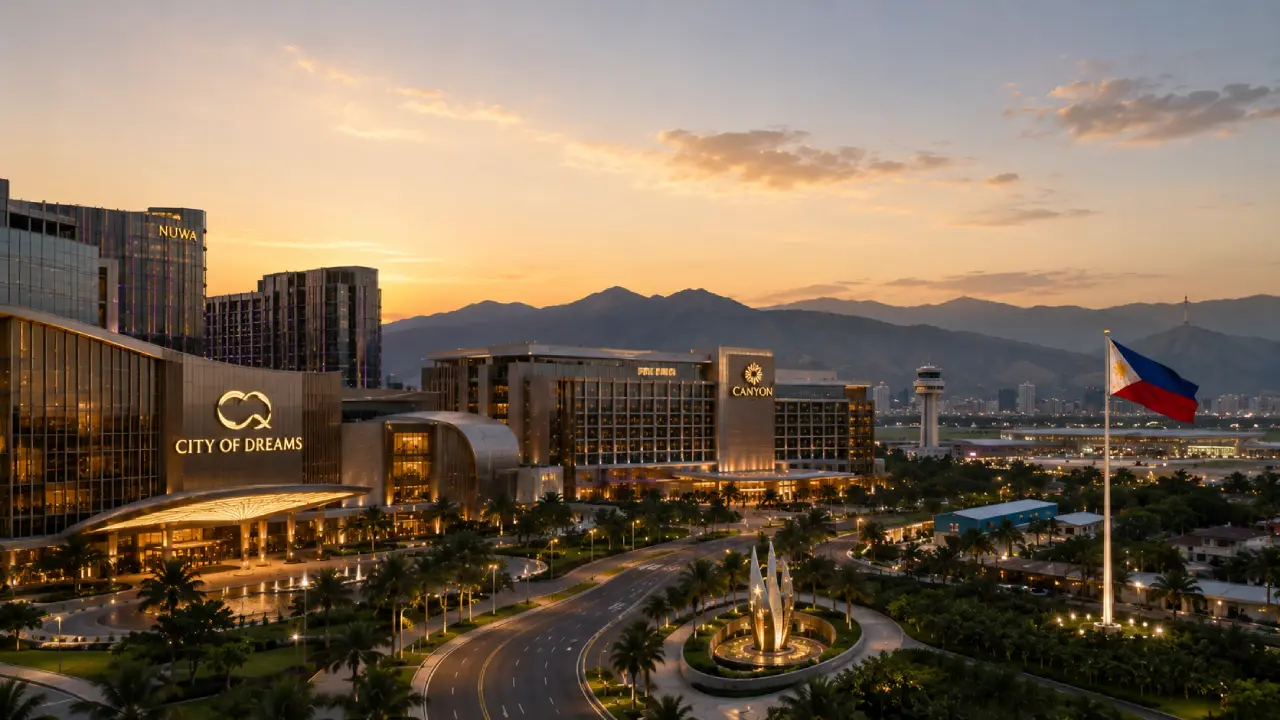
Manila’s Entertainment City has long been the center of Philippine gaming, but 2026 is the year Clark Freeport Zone in Pampanga solidifies its position as the country’s rising second market. Belle Corporation, the operator behind City of Dreams Manila, has secured a provisional PAGCOR license for a new integrated resort in Clark valued at a minimum of 300 million dollars, with the potential to scale up to 500 million dollars depending on the operator partner selected.
Belle is currently in negotiations with three to four foreign casino operators, including its existing partner Melco Resorts. The project will place Belle in direct competition with Hann Resorts, which has anchored the Clark gaming scene for years and completed a major expansion of its Canyon complex in 2026, adding hundreds of new gaming machines and dining venues.
More broadly, the Philippine Amusement and Gaming Corporation (PAGCOR) is undergoing its own transformation. The regulator is moving toward selling off its Casino Filipino portfolio starting in 2026 to become a purely regulatory body, ending decades of dual regulator-operator status that lawmakers have long criticized as a conflict of interest. PAGCOR has forecast that at least one new integrated resort will open in the Philippines every year for the next several years, with Cebu, Boracay, and other regional hubs joining Clark and Manila in the pipeline.
Latin America: Brazil’s Regulated Online Market Matures

Brazil launched its regulated online gambling market on January 1, 2025, and 2026 is proving to be its critical maturation year. As of mid-2026, approximately 80 operators hold active federal licenses issued by the Secretariat of Prizes and Betting (SPA). The SPA license covers online casino games and fixed-odds sports betting, though land-based casinos remain banned under legislation that dates back to 1946. A separate bill to legalize physical casinos is still under Senate review.
For operators, Brazil is now the seventh-largest gambling market globally, with a domestic player base exceeding 22 million active online bettors. Licenses cost approximately 30 million Brazilian reais (about 6 million euros) for five years, and operators pay a 12 percent tax on gross gaming revenue plus standard corporate taxes. Cryptocurrency gambling is expressly prohibited, and all transactions must flow through traceable electronic payment methods like PIX.
The market is also reshaping how operators approach player retention. Portuguese-language localization is mandatory, real-time transaction reporting to the government’s SIGAP system is required, and marketing rules restrict influencer promotions and new-customer bonuses. Even with these constraints, forecasters project the Brazilian online gambling market to continue growing at a double-digit compound annual rate through the end of the decade.
European Markets Worth Watching in 2026

Europe remains the most mature regional casino ecosystem in the world, but pockets of growth are still emerging. France continues to debate the legalization of online casino gaming, having long been the largest Western European market to prohibit the vertical. The European Gaming and Betting Association has estimated that a regulated French online casino market could generate around 1.5 billion euros annually, capturing revenue currently flowing to unlicensed offshore sites used by roughly 3 million French players.
For independent operators seeking a foothold on the continent, markets like Romania, Bulgaria, and the Czech Republic are increasingly attractive. All three operate under mature licensing and compliance frameworks, but competitive saturation has not yet caught up with market maturity, leaving room for new entrants to build meaningful share. Meanwhile, Germany’s stricter online licensing regime continues to push players toward gray-market alternatives, an ongoing tension that regulators are actively addressing throughout 2026.
Summary Table: Key New Casino Markets to Watch in 2026
| Market | Status in 2026 | Key Development | Estimated Impact |
|---|---|---|---|
| New York City, USA | Licenses awarded, first opening in 2026 | Resorts World, Hard Rock, Bally’s approved | Largest untapped urban US casino market |
| UAE (Ras Al Khaimah) | Under construction, opens Sept 2027 | Wynn Al Marjan Island, $5.7B project | First licensed casino in the Middle East |
| Vietnam (Ho Tram) | Locals pilot active from Nov 2025 | The Grand Ho Tram opens to locals | Second Vietnamese casino with local play |
| Thailand | Entertainment Complex Bill revived | Up to 3 licensed complexes proposed | Potential top-three global market |
| Japan (Osaka) | Under construction, opens 2030 | MGM Osaka, ~$8.8B project | First legal casino in Japan |
| Philippines (Clark) | Provisional licenses issued | Belle Corp $300M+ resort planned | Clark rivals Manila as gaming hub |
| Brazil (online) | Regulated market maturing | ~80 licensed operators active | Largest Latin American iGaming market |
| France (online) | Legalization under debate | Potential €1.5B legal market | Would end Western Europe’s largest ban |
Investment Sizes and Opening Timelines at a Glance
| Project / Market | Investment | Target Opening | Operator |
|---|---|---|---|
| Wynn Al Marjan Island (UAE) | $5.7 billion | September 2027 | Wynn Resorts + RAK Hospitality |
| MGM Osaka (Japan) | $8.8-10 billion | Autumn 2030 | MGM Resorts + Orix |
| Resorts World NYC expansion | Multi-billion (first phase) | 2026 | Genting / Resorts World |
| Hard Rock Metropolitan Park | Multi-billion | Around 2030 | Hard Rock + Steve Cohen |
| Bally’s Bronx | Multi-billion | Around 2030 | Bally’s Corporation |
| Belle Corp Clark IR | $300-500 million | To be announced | Belle Corp + operator TBD |
| Thai Entertainment Complexes | 100 billion baht minimum each | Late decade (if approved) | To be tendered |
Emerging Trends Across New Casino Markets in 2026
Several patterns are consistent across every one of these new markets, and understanding them helps explain where the industry is heading.
Integrated resorts have replaced standalone casinos as the political default. Every major new project in 2026 is bundled with hotels, convention space, retail, and entertainment. Regulators and politicians are far more comfortable approving what looks like a destination resort than what looks like a gambling hall, and the economic multiplier effects are easier to defend publicly.
Locals-play restrictions are softening in Asia. Vietnam’s pilot at Ho Tram, Thailand’s proposed framework with entry fees for citizens, and Japan’s own casino visit limits for residents all reflect a shared regulatory playbook: allow local participation but wrap it in income requirements, entry fees, visit caps, and self-exclusion tools.
License fees are becoming a meaningful revenue source in their own right. New York’s five hundred million dollar license fee is the extreme case, but Brazil’s roughly six million euro five-year license and Thailand’s proposed hundred-billion-baht minimum investment thresholds all demonstrate how governments are pricing casino access aggressively upfront.
Online and land-based gambling are converging in operator strategy. Companies bidding for physical casino licenses increasingly view them as anchors for parallel digital ecosystems, from sportsbooks to iGaming apps to loyalty programs that follow players across channels.
Regional geopolitics matter more than they used to. Wynn’s UAE timeline has already shifted once due to Middle East conflict-related supply chain issues. Thailand’s political instability has repeatedly derailed its casino bill. Even Japan’s project faces ongoing local opposition and legal challenges. Operators are increasingly building geopolitical risk premiums into their capital allocation models.
Challenges Facing New Casino Markets
None of these openings are guaranteed successes, and the industry has learned some hard lessons in recent years about the gap between projected and realized returns.
Vietnam’s Grand Ho Tram, for example, has reported persistent losses in recent years, and the property’s investor has sought an extension of its completion deadline to December 2027. Even with locals-play access now in place, sustained profitability for large integrated resorts in emerging Asian markets remains uncertain. Labor shortages are another growing concern, particularly in Japan where a shrinking workforce is expected to make staffing MGM Osaka a challenge even at premium wage levels. Brazil’s regulated market is grappling with the difficulty of migrating players away from long-established offshore brands, and some observers question whether the country’s tax structure leaves enough margin for operators to invest in acquisition and retention. And in nearly every new market, responsible gambling frameworks are being tested in real time, with pressure mounting on operators to demonstrate that regulated casinos actually reduce, rather than expand, problem gambling.
What Players Should Know Before Choosing a New Market
For players following these developments, a few practical considerations matter more than the headlines. Licensing status determines almost everything about your experience, from dispute resolution rights to payment processing reliability. Choosing venues or platforms licensed by the local regulator, whether that’s the New York State Gaming Commission, PAGCOR, Brazil’s SPA, or the UAE’s General Commercial Gaming Regulatory Authority, provides meaningfully stronger consumer protection than unlicensed alternatives.
Currency, tax treatment, and withdrawal mechanics differ significantly between markets. Winnings from a casino in New York carry different tax implications than winnings from a licensed operator in Brazil, and payment methods that work seamlessly in one jurisdiction may be restricted in another. Loyalty programs are also fragmenting along regional lines, so players who travel internationally should check whether tier status transfers between properties.
Above all, the sheer volume of new options coming online means that reputation, longevity, and independent reviews are going to matter more, not less, as the industry grows. Newer venues will spend heavily on launch promotions, but track record and regulatory standing are what should ultimately guide long-term choices.